
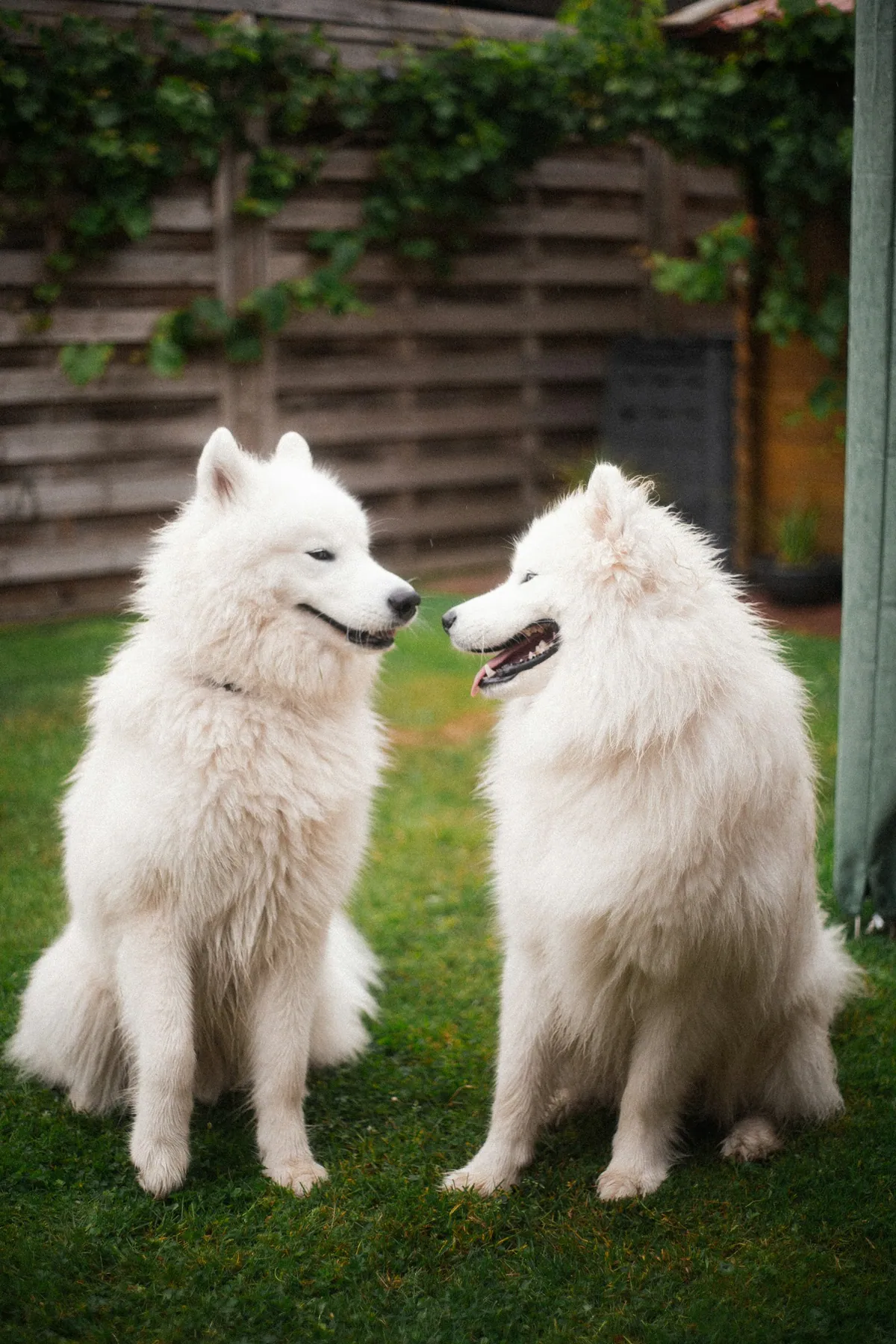
Start with your day, not a photograph
A dog becomes part of the ordinary parts of life: early mornings, busy workdays, weekends away and quiet evenings. Before making a breed shortlist, write down what a typical week actually looks like. Who will provide walks, company, training and care when your plans change?
The American Kennel Club recommends matching a dog's needs with your lifestyle and considering the individual animal alongside breed characteristics. Energy, grooming, living arrangements and the ongoing cost of care are useful starting points. A breed label helps you ask questions; it cannot promise a particular personality.
Turn a breed shortlist into better questions
If you are interested in a Labrador Retriever, ask the breeder or rescue about that dog's activity, training and daily engagement. If you are considering a German Shepherd, discuss the experience and time its handler will need. For a Poodle, ask about coat maintenance and grooming arrangements. These are conversation starters, not rankings of which dog is best.
Include mixed-breed dogs in the conversation. Meet the animal, learn about its background where known, and ask carers how it responds to ordinary household situations. An adult dog with a documented routine may give you different information from a puppy whose adult behavior is still developing.
Build a realistic home-and-care checklist
Before arranging a visit, check your housing rules, outdoor access, household agreement and daily availability. In Nairobi, a plan might include where walks can happen, how you will reach care providers and who can help when travel or work interrupts the routine. Avoid assuming that a garden replaces time spent with the dog.
Make a monthly budget for food, supplies, grooming when needed and professional care. Add a separate allowance for unexpected costs. Ask a qualified local veterinarian about the individual dog's health needs; a general breed guide cannot make that assessment for you.
Meet the dog and verify the information
Ask the current carer for available records, the dog's history and the terms of any adoption or transfer. Make time to discuss behavior, known challenges and the support offered after the dog goes home. Treat missing information as a question to resolve, not a gap to fill with an optimistic assumption.
Avoid decisions driven by urgency, an attractive image or a claim that a breed is automatically suitable for every family. A responsible match should leave you with a clearer understanding of your commitments. If essential questions remain unanswered, give yourself time to investigate.
Better discovery should lead to better decisions
The product question behind Pawlsar is how to make the pet ecosystem easier to navigate: discovery, adoption options, care, supplies and travel services. We believe good discovery should help people ask useful questions and find relevant local information, with trust visible in the experience.
Your practical next step is simple: create a short household checklist, speak to knowledgeable carers, and meet potential companions before deciding. The goal is a sustainable relationship with a particular dog, supported by people and services you can rely on.
Sources & further reading
Original commentary by Harmosoft, with the following references for the underlying concepts.
Explore our approach to a more connected pet ecosystem.
Meet Pawlsar↗